
Learning at Liger
At Liger, we know that the curve of innovation is not linear, it is exponential. The world is evolving in unpredictable ways, and as educators, we must admit that we don’t know what kids need to know to thrive in an uncertain future.
We believe that the purpose of education should be to teach young people to teach themselves what they need to know, when they need to know it.
The Liger Learning Model
The Liger Learning Model is the core of our curriculum. Our four curriculum styles blend to produce students with the knowledge, skills, and experiences they need to thrive in the modern world keeping the Academy at the forefront of the future of education.
The model is purpose-driven and for-impact. Learning is aligned with the UN Sustainable Development Goals and community needs.

Essentials
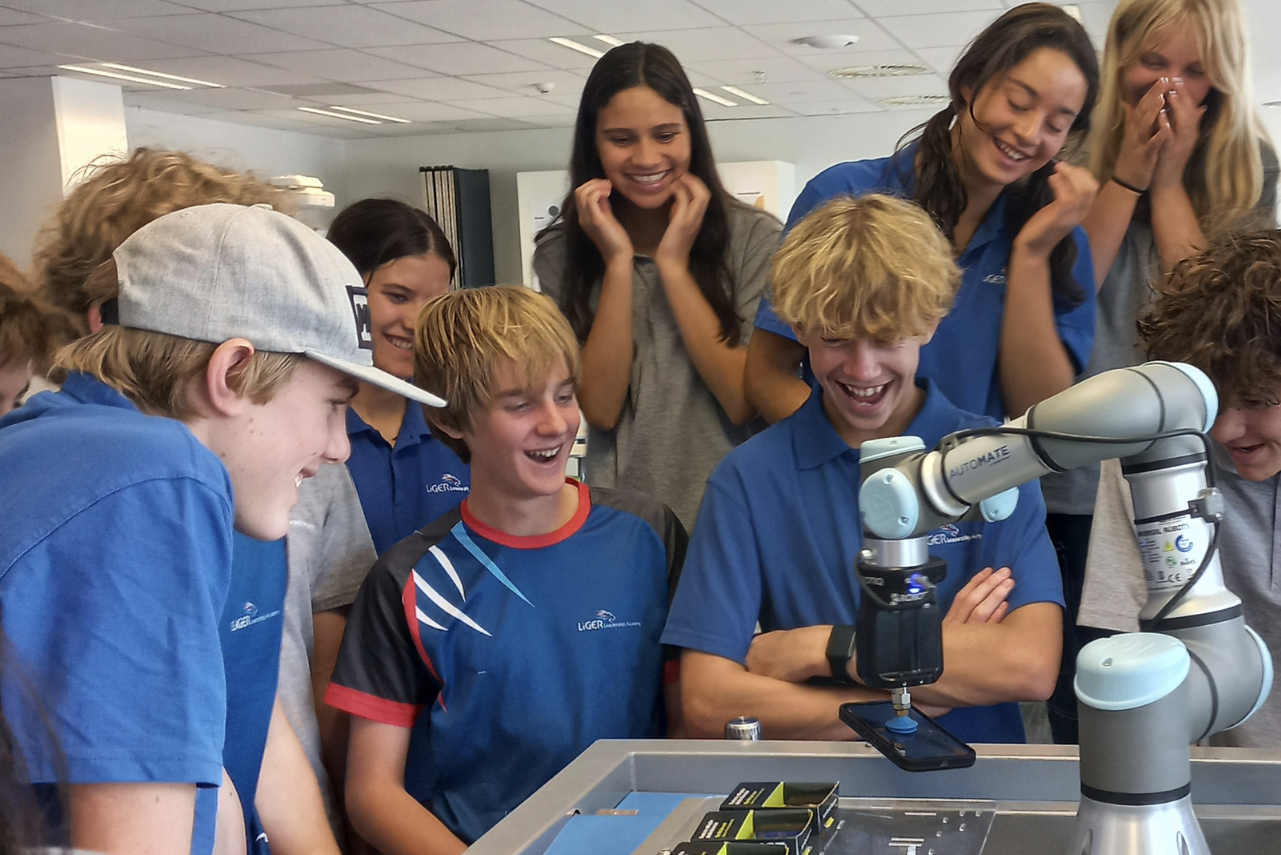
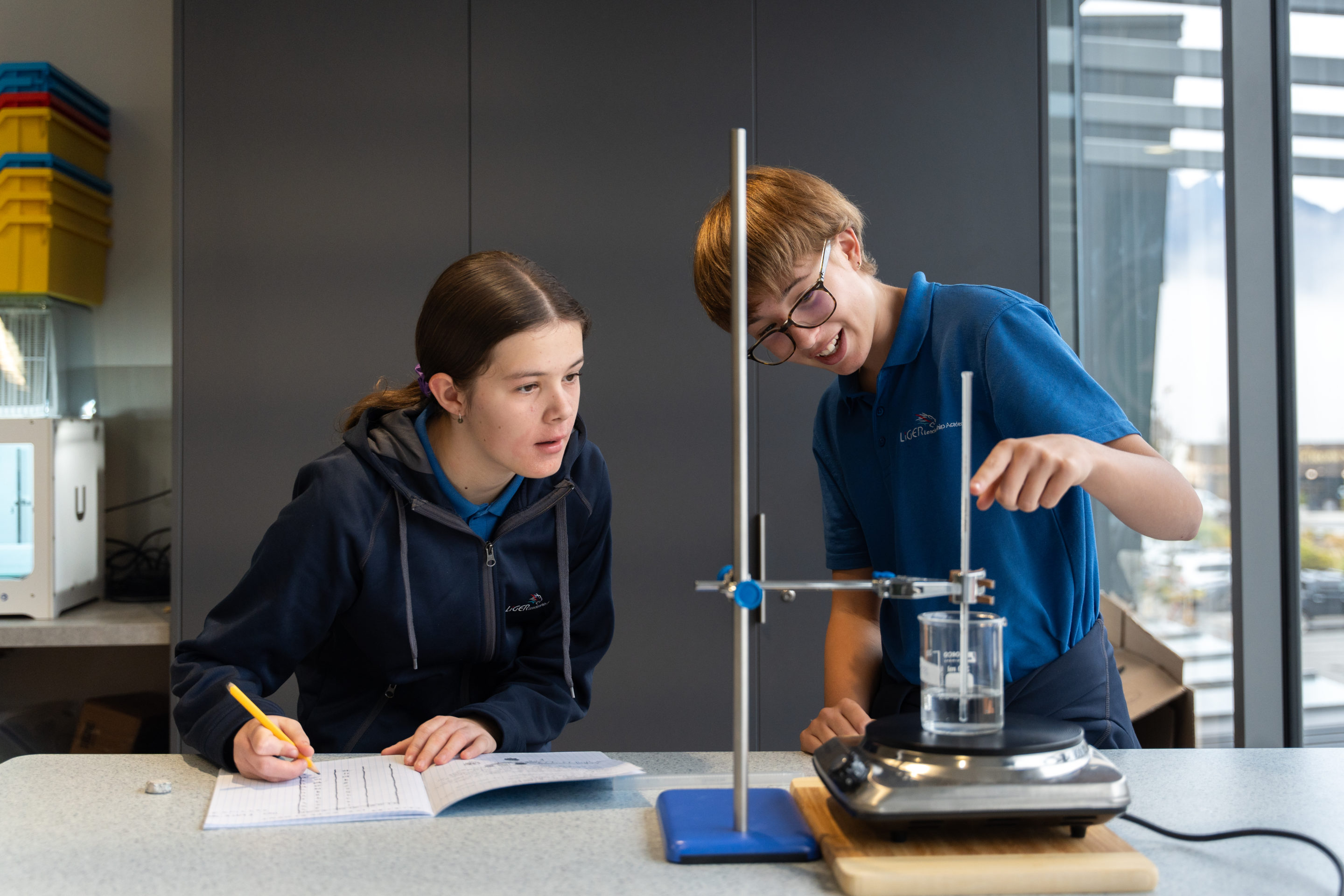
Essentials learning at Liger is the development of foundational knowledge and understanding in numeracy, literacy, science, and the humanities that gives students the academic base they need for future learning opportunities at Liger and beyond. Essentials are one hour per day, four days a week, for all five years of our program.
Our Essential learning seeks to make content apply to other learning occurring at Liger – what a student learns in Science in the morning often informs what they produce in Explorations in the afternoon. We have selected the NZ Curriculum framework to design learning through because our learners are on a pathway to achieve NZ’s educational qualification (NCEA).
Explorations
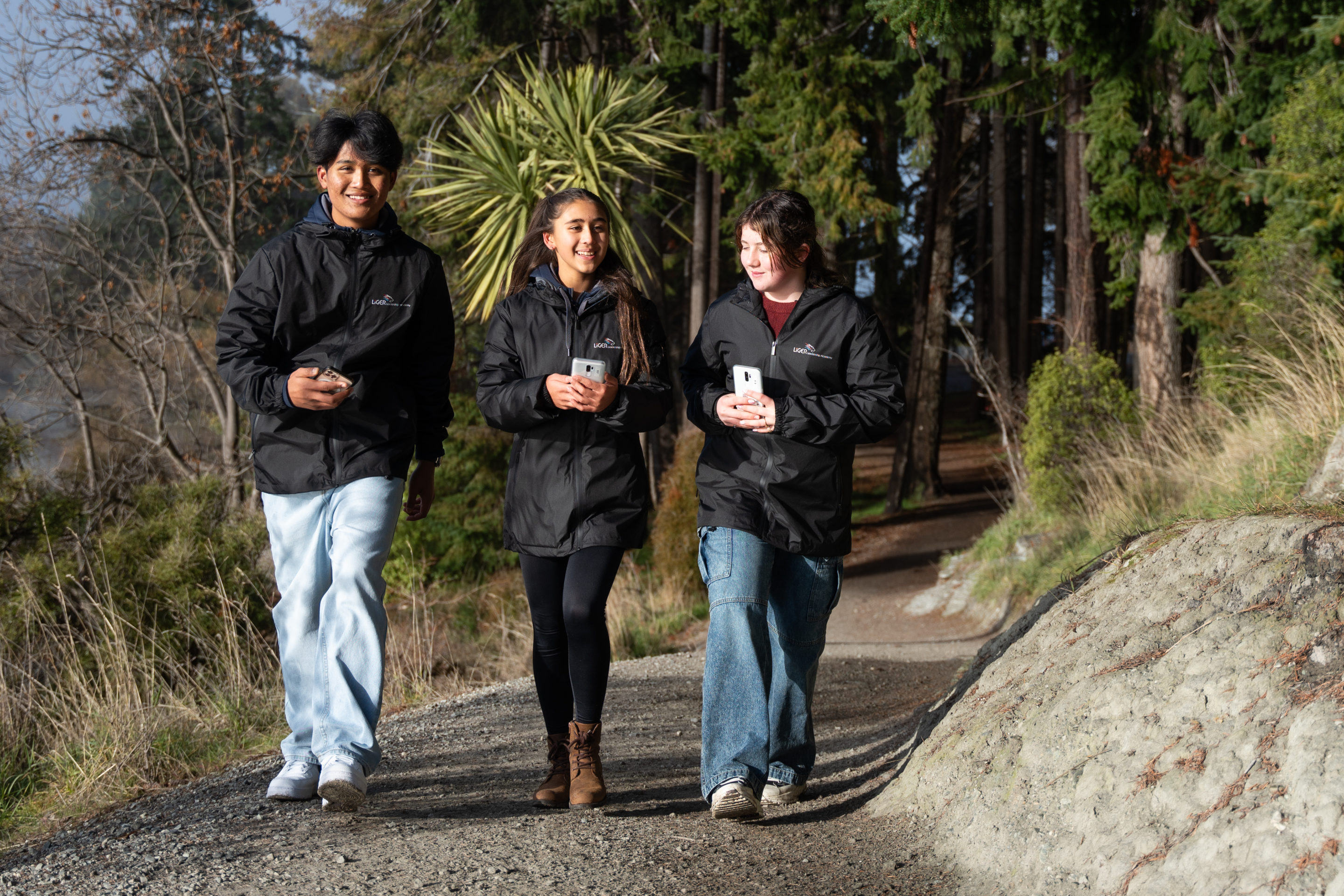
Explorations are the heart of the Liger Learning Model, they are project, experiential, and opportunity-based, where students work together in groups to explore a relevant, often complex question, problem or challenge.
By engaging in real issues with real people in the outside world, students focus on big-picture systems thinking and create a final product or action that causes change or serves a meaningful purpose. This process helps each student develop their place within a team of creators and innovators. It ensures deep and authentic learning – engaging students in critical thinking, problem-solving and decision-making.
Explorations are carefully planned and developed with purpose, community and real-world learning at the core.
Expertise
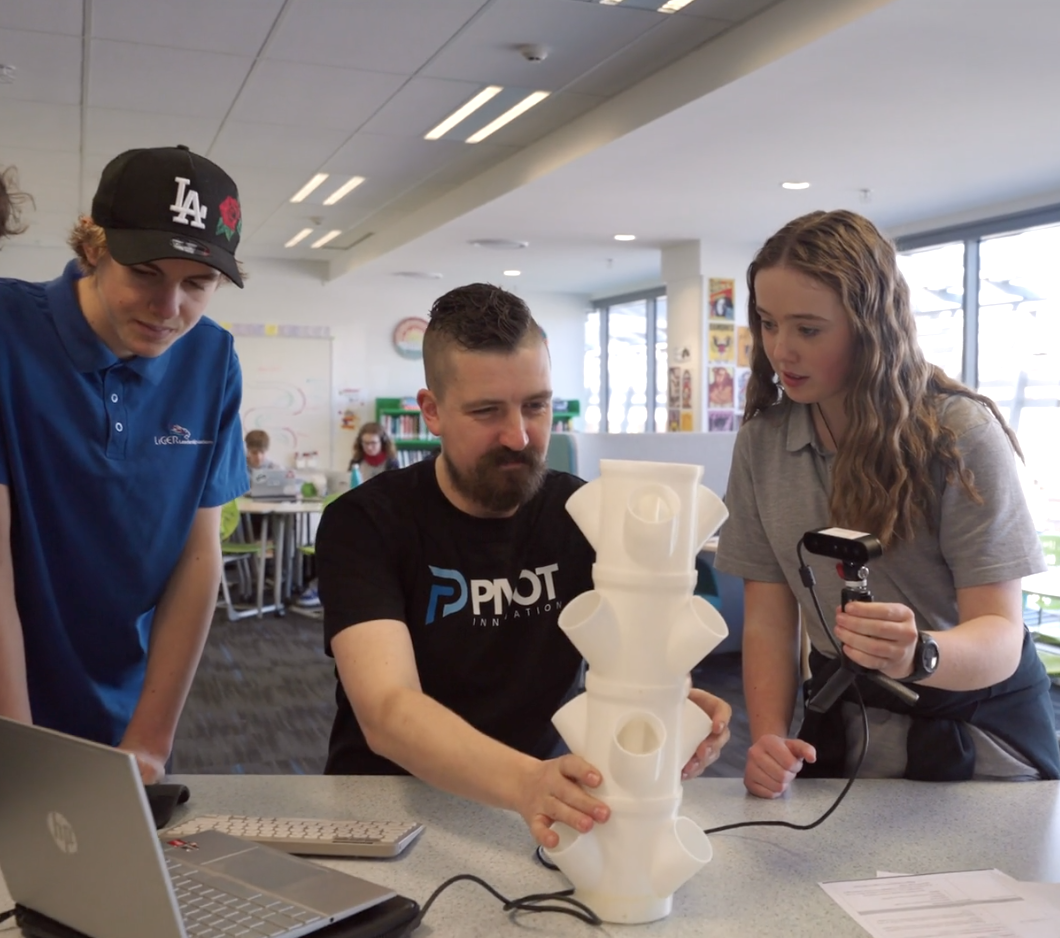
Expertise classes are opportunities to purposefully engage community and industry experts in the Liger Learning Model. Often focused on STEAM (science, technology, engineering, arts, mathematics), Expertise sessions enable our learners to engage with a wide variety of professionals, deepening knowledge and undertaking challenges using the design thinking process. Expertise experiences and challenges are based around the themes of STEAM, community, creativity, entrepreneurship, and leadership.

Extensions
Extensions are extended learning opportunities beyond the school day to develop well-rounded, healthy, and creative citizens. Liger Academy offers a wide variety of activities to engage students in positive experiences and extend Liger’s curriculum including sports and wellbeing, technology, creative arts, community action, academic studies and passion projects. Participation in the Extension program is a requirement and student interest clubs are encouraged.
Liger and NCEA
At Liger Leadership Academy New Zealand, our Learning Model has been specially designed to neatly integrate into New Zealand’s NCEA (National Certificate of Educational Achievement) framework.
NCEA is an internationally recognised qualification that assesses students’ learning across a broad range of subjects and levels.
In Aotearoa, NCEA is not a curriculum, it is rather a way to credential learning for students and gain a qualification. It is the responsibility of each individual school to deliver NCEA through a curriculum of their choosing, in our case, we use the Liger Learning model.
Core Values
Liger instils a set of core values in all our learners – values that everyone affiliated with the Liger Leadership Academy strives to live by in their daily lives and interactions with one another and the world at large.

INTEGRITY
Being honest and having strong moral principles

STEWARDSHIP
Being responsible for taking care of something considered worth caring for and preserving

DETERMINATION
Being able to decide definitely and firmly

APPRECIATION
Being able to recognize and enjoy the good qualities of someone or something

OPTIMISM
Being hopeful and having confidence about the future or the successful outcome of something

INGENUITY
Being clever, inventive, or resourceful especially when designing new things
Leadership Competencies
Identification of Opportunities
Ability to identify appropriate opportunities and, while being ethical and competitive, take advantage of these situations as and when they arise.
Vision and Influence
Ability to create and implement a vision using strategic thinking based on evidence, and knowing and understanding the audience to support decisions.
Management of Operations
Ability to manage operations and finance by successfully executing the ongoing operations of a project, organisation or business.
Assembling and Motivating a Team
Ability to positively influence all stakeholders, to take other perspectives into account, and to motivate the team to work together to develop strategies to implement a vision or plan.
Comfort with Uncertainty
Ability to move forward in the face of uncertain and ambiguous circumstances. Working out of one’s comfort zone to do something bold and taking well-informed chances while understanding the relationship between risk and reward.
Building Networks
Ability to build successful networks by making contact and exchanging information with other people, groups, and institutions to develop mutually beneficial relationships.
Self-Awareness
Ability to be self-aware by independently gathering and processing information from the environment to honestly notice and make decisions about one’s feelings, physical sensations, reactions, habits, behaviours, and thoughts.
Problem Solving
Ability to solve a problem by identifying and defining a challenge or need and creating a plan to propose or achieve a solution.
Collaboration
Ability to work as a team to discuss, set goals, and complete tasks to produce results around a common goal.
Dot Connector
Ability to find relationships between everyday interactions, ideas and sometimes unrelated or unknown things in a quickly changing landscape to draw logical conclusions.
Communications
The ability to effectively convey ideas and emotions in a way that other people understand through reading, writing, listening and speaking.
Impact
Ability to be effective and positively create impact beyond the student to affect change in learners’ community, nation, or the world.
Our Facilities
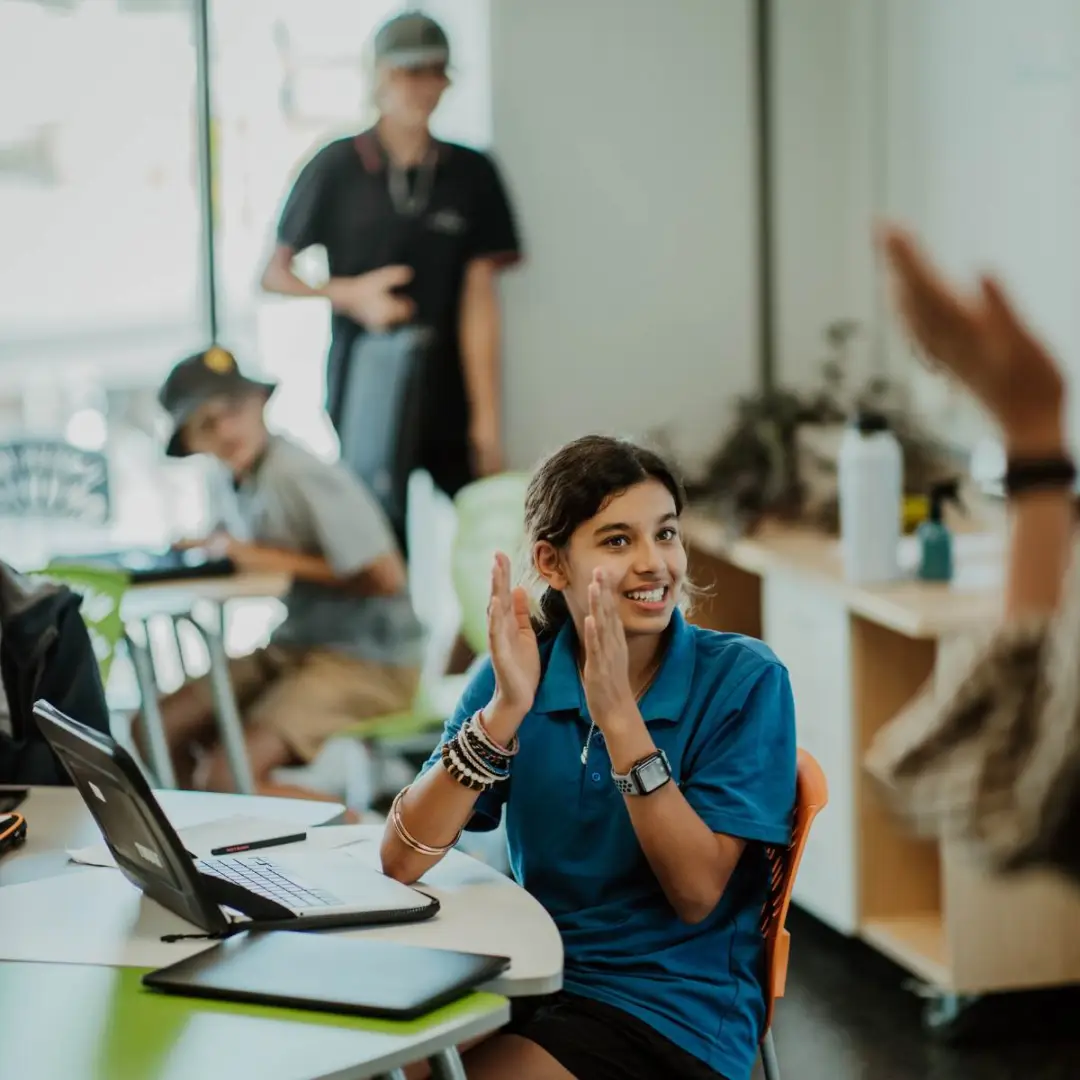
Liger has the best classroom in the world, the Queenstown region. It is rare for a student at Liger to not go on an off-site trip more than once a week, and our physical space is not known as the school – rather it is our “Learning Hub”; a place to assemble in the morning, and a versatile learning space.
While our school may be small, our presence in Five-Mile is specially designed to house the essential spaces of learning for our students. In addition to several classrooms and spaces, we have a fully equipped science lab, high-tech makerspace complete with a 3D printer and CNC machine, and the popular recording studio. Importantly, if there is a course or project that requires a space, resource, or tool that we don’t have access to in our learning hub, we look outwards to find it in our community.